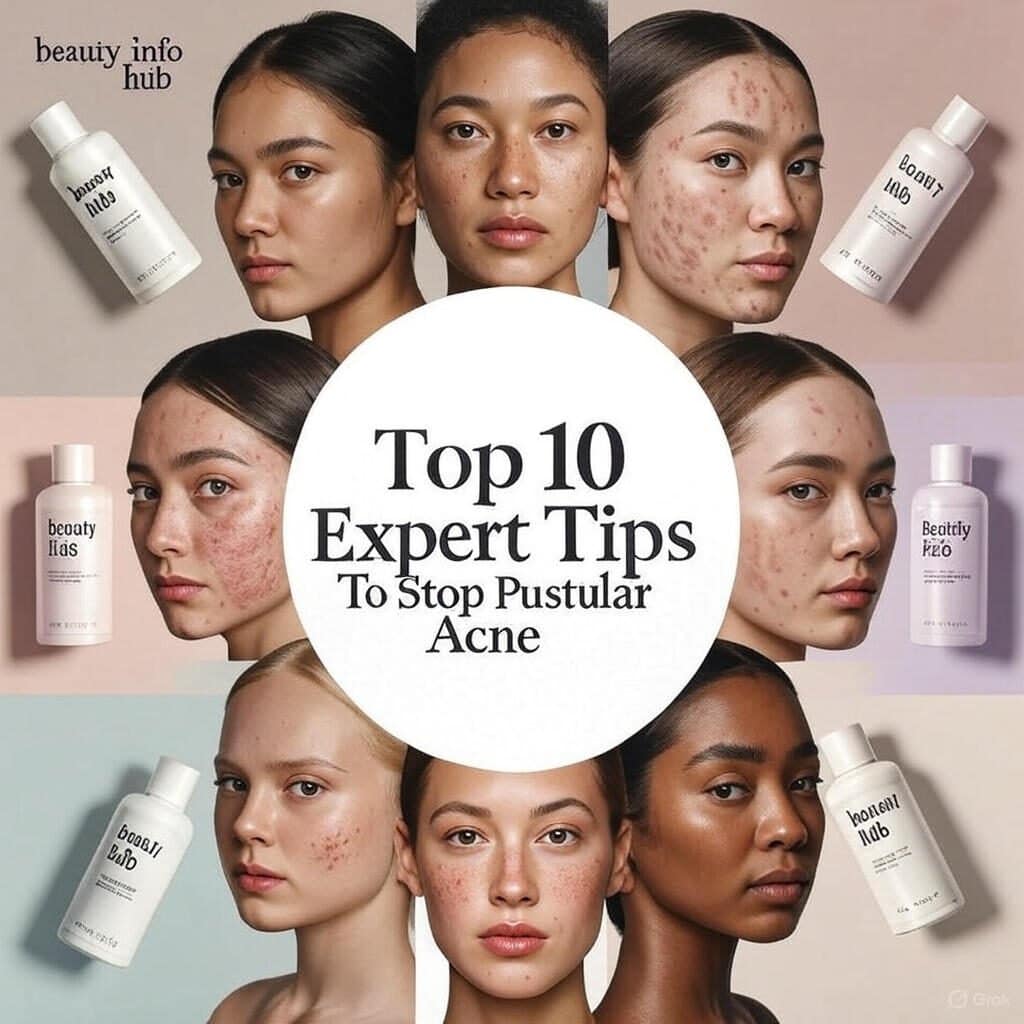
Top 10 Expert Tips To Stop Pustular Acne
- Tips
- Tip 1: Cleanse Gently Twice Daily
- Tip 2: Use Benzoyl Peroxide Spot Treatments
- Tip 3: Apply Salicylic Acid Products
- Tip 4: Moisturize with Non-Comedogenic Products
- Tip 5: Avoid Popping Pustules
- Tip 6: Use Oil-Free Makeup and Sunscreen
- Tip 7: Exfoliate Sparingly
- Tip 8: Manage Stress Levels
- Tip 9: Eat an Anti-Inflammatory Diet
- Tip 10: Keep Bedding and Towels Clean
- Importance
- How to Solve this issue?
- Brand Products to Use
- Natural Remedies
- FAQs
Pustular acne can feel like a relentless battle. These painful, pus-filled pimples, with their red, inflamed bases and white or yellow centers, often appear on the face, back, or chest, making you self-conscious about your skin. Caused by clogged pores, bacteria, and inflammation, pustules are more severe than blackheads or whiteheads, and mishandling them can lead to scarring.
The good news? You can stop pustular acne with expert-backed, natural methods that don’t rely on harsh chemicals. In this comprehensive guide, we share 10 expert tips to stop pustular acne effectively, covering daily skincare, lifestyle changes, and home remedies. These strategies work for oily, sensitive, or combination skin, offering practical solutions for beginners and those with persistent acne. Additionally, we’ll recommend dermatologist-approved products and answer common questions to help you achieve clear, healthy skin. Let’s dive in and conquer pustular acne for good!
Tips
The Top 10 Expert Tips to stop Pustular Acne are as follows:
Tip 1: Cleanse Gently Twice Daily
Pustular acne thrives when oil, dirt, and bacteria clog pores, creating a breeding ground for inflammation. Harsh soaps, however, strip natural oils, triggering more oil production and worsening pustules. Fix it: Wash your face morning and night with a gentle, non-comedogenic cleanser designed for acne-prone skin. Use a dime-sized amount, massage gently for 30–60 seconds, focusing on pustule-prone areas like the cheeks, chin, or forehead. Rinse with lukewarm water to avoid irritation, as hot water can inflame sensitive skin. For example, this routine removes bacteria and excess oil without disrupting your skin’s barrier. Over time, consistent cleansing reduces pustule formation and soothes existing ones, setting the foundation for clearer skin. Be patient, as results build gradually with daily care.
Tip 2: Use Benzoyl Peroxide Spot Treatments
Benzoyl peroxide is a powerhouse for pustular acne, killing Propionibacterium acnes (the bacteria causing pustules) and reducing pus and inflammation. Overuse, though, can dry out or redden skin. Fix it: Apply a 2.5–5% benzoyl peroxide gel or cream once daily, ideally at night, directly on pustules. Use a pea-sized amount to avoid irritation, and follow with a moisturizer to lock in hydration. For instance, start with a lower strength (2.5%) if you have sensitive skin, applying it every other day to build tolerance. This targeted approach shrinks pustules and prevents new ones by eliminating bacteria. Always wash your hands after application to avoid spreading the product to unaffected areas, ensuring faster healing without side effects.
Tip 3: Apply Salicylic Acid Products
Salicylic acid penetrates pores to dissolve oil and dead skin, reducing inflammation and preventing pustules. It’s highly effective but can cause dryness if overapplied. Fix it: Use a 1–2% salicylic acid serum or gel 2–3 times a week after cleansing. Apply a small amount to pustule-prone areas, like the T-zone or jawline, and follow with a lightweight moisturizer. For example, this treatment unclogs pores and calms redness, making it ideal for oily or acne-prone skin. Start with twice-weekly applications to avoid irritation, especially if you’re new to salicylic acid. Over time, it reduces pustule size and frequency by keeping pores clear. Always use sunscreen during the day, as salicylic acid can increase sun sensitivity.
Tip 4: Moisturize with Non-Comedogenic Products
Even oily skin needs hydration, as dryness can worsen pustule inflammation by prompting excess oil production. Skipping moisturizer is a common mistake that aggravates acne. Fix it: Apply a lightweight, non-comedogenic moisturizer twice daily after cleansing. Choose products with hydrating ingredients like hyaluronic acid or niacinamide, which soothe skin without clogging pores. For instance, a gel-based moisturizer works well for oily skin, while a cream-based one suits dry or combination types. Massage gently for 30 seconds to ensure absorption. This keeps your skin balanced, reduces irritation around pustules, and promotes faster healing. Moreover, hydrated skin is less likely to produce excess oil, which helps prevent new pustules from forming over time.
Tip 5: Avoid Popping Pustules
Popping pustules is tempting but dangerous. It pushes bacteria and pus deeper, worsening inflammation and risking permanent scars or infections. Fix it: Resist the urge to pop and rely on treatments like benzoyl peroxide or salicylic acid to reduce pustules naturally. If a pustule is large or painful, visit a dermatologist for professional extraction using sterile tools. For example, this approach prevents scarring and speeds healing without spreading bacteria. Additionally, keep your hands clean and avoid touching your face during the day to minimize contamination. Patience is key—pustules typically resolve faster with proper care than with squeezing, which can prolong recovery and damage your skin.
Tip 6: Use Oil-Free Makeup and Sunscreen
Heavy makeup or oily sunscreens clog pores, exacerbating pustular acne, especially in humid or sweaty conditions. Non-comedogenic products, however, prevent this issue. Fix it: Choose oil-free, non-comedogenic makeup and sunscreen labeled “for acne-prone skin.” Apply a thin layer after cleansing, and remove makeup thoroughly at night with a gentle cleanser. For instance, a mineral-based sunscreen with zinc oxide protects without clogging pores. This keeps your skin clear and reduces pustule triggers. Moreover, opt for lightweight foundations or tinted moisturizers to avoid buildup. Always check product labels for “non-comedogenic” to ensure they won’t contribute to acne, helping your skin stay healthy and pustule-free.
Tip 7: Exfoliate Sparingly
Dead skin cells clog pores, contributing to pustule formation by trapping oil and bacteria. Over-exfoliating, however, irritates inflamed skin and worsens redness. Fix it: Exfoliate once a week with a gentle chemical exfoliant, like 1% salicylic acid, to avoid aggravating pustules. Apply for 30 seconds, rinse with lukewarm water, and follow with a moisturizer to soothe skin. For example, chemical exfoliants are gentler than physical scrubs, which can be too abrasive for acne-prone skin. This clears debris without causing micro-tears that inflame pustules. Be cautious not to overdo it, as excessive exfoliation can disrupt your skin barrier, leading to more acne over time.
Tip 8: Manage Stress Levels
Stress triggers cortisol, a hormone that boosts oil production and inflammation, fueling pustular acne. Chronic stress can make breakouts more frequent and severe. Fix it: Practice stress-relief techniques like deep breathing, meditation, or yoga for 5–10 minutes daily. For instance, a simple breathing exercise—inhaling for 4 seconds, holding for 4, and exhaling for 6—can calm your mind and body. Additionally, activities like journaling or a short walk can reduce stress hormones, helping prevent pustule flare-ups. By incorporating these habits, you’ll not only improve your skin but also enhance overall well-being, making stress management a powerful tool against acne.
Tip 9: Eat an Anti-Inflammatory Diet
Sugary, processed, or high-glycemic foods increase inflammation and oil production, worsening pustules. A nutrient-poor diet also deprives skin of healing vitamins. Fix it: Eat anti-inflammatory foods like berries, leafy greens, salmon, walnuts, and avocados. Drink 2–3 liters of water daily to flush toxins and hydrate skin. For example, foods rich in omega-3s (like salmon) and zinc (like nuts) reduce inflammation and support skin repair. Limit dairy and sugary snacks, as they can trigger breakouts in some people. This dietary shift reduces pustule severity and promotes clearer skin over time, especially when paired with a consistent skincare routine.
Tip 10: Keep Bedding and Towels Clean
Pillowcases and towels collect oil, sweat, bacteria, and dead skin, transferring them to your face during sleep or after washing. This can worsen pustules significantly. Fix it: Wash pillowcases and towels weekly with a fragrance-free, gentle detergent to minimize bacteria buildup. Use cotton or silk pillowcases to reduce friction and irritation on acne-prone skin. For instance, silk pillowcases are smoother and less likely to trap oil, helping keep your skin cleaner. Additionally, avoid reusing towels without washing, as they can harbor bacteria. This simple habit reduces the risk of new pustules and supports your skincare efforts for a clearer complexion.
Importance
What Is Pustular Acne?
Pustular acne consists of red, inflamed pimples filled with white or yellow pus, caused by clogged pores, Propionibacterium acnes bacteria, and inflammation. Unlike blackheads or whiteheads, pustules are deeper, tender, and more prone to scarring, often appearing on the face, back, chest, or shoulders. Triggers include excess oil, hormonal changes, stress, and poor hygiene. For example, sweat or oily products can exacerbate pustules by clogging pores further. Understanding these factors helps you target them effectively with the right treatments and habits.
Why These Tips Work
These expert tips address pustular acne by tackling its root causes. Cleansing and exfoliation remove oil and debris, while benzoyl peroxide and salicylic acid kill bacteria and reduce inflammation. Non-comedogenic products prevent clogs, and diet and stress management minimize hormonal triggers. Consequently, this multi-pronged approach shrinks pustules, prevents new ones, and reduces scarring risk. Each tip builds on the others, creating a comprehensive strategy for clearer skin without harsh chemicals.
Benefits of a Pustule-Free Routine
Treating pustules improves skin texture, reduces redness, and prevents permanent scarring, boosting confidence. Moreover, these gentle methods suit oily, sensitive, or combination skin, making them accessible for most people. Regular care also lowers the risk of future breakouts, promoting long-term skin health. By following these tips consistently, you’ll see noticeable improvements in 2–4 weeks, achieving a smoother, clearer complexion without relying on aggressive treatments or invasive procedures.
How to Solve this issue?
Building a Daily Skincare Routine
Start with a gentle, non-comedogenic cleanser twice daily. Massage for 30–60 seconds on pustule-prone areas, like the forehead or jawline, and rinse with lukewarm water. Apply a lightweight, non-comedogenic moisturizer morning and night, followed by SPF 30+ sunscreen in the morning. Use a 2.5% benzoyl peroxide or 1–2% salicylic acid treatment 2–3 times a week at night, followed by moisturizer. For example, this routine keeps pores clear and reduces inflammation without over-drying skin.
Incorporating Weekly Treatments
Exfoliate once a week with a gentle salicylic acid product. Apply for 30 seconds, rinse, and moisturize to avoid aggravating pustules. This clears dead skin without irritation. If you experience dryness, skip a session and hydrate well. Weekly treatments complement daily care, ensuring consistent progress against pustular acne.
Adopting Supportive Lifestyle Habits
Wash pillowcases and towels weekly with a gentle detergent to reduce bacteria transfer. Eat anti-inflammatory foods like berries, spinach, and fish, and drink 2–3 liters of water daily to support skin health. Practice stress-relief techniques, like meditation or yoga, for 5–10 minutes daily. Additionally, cleanse within 10–15 minutes after sweating to prevent pore clogging, especially after workouts or hot weather.
Staying Consistent and Seeking Help
Follow this routine for 4–6 weeks to see reduced pustules and clearer skin. Avoid popping pimples to prevent scars or infections. If pustules persist or worsen, consult a dermatologist for advanced treatments like oral antibiotics or prescription retinoids. Consistency is crucial, as skipping steps can slow progress. For instance, combining daily care with lifestyle changes maximizes results, helping you achieve long-term relief from pustular acne.
Brand Products to Use
These dermatologist-recommended products are effective for stopping pustular acne:
- CeraVe Foaming Facial Cleanser ($10–15): A gentle cleanser with ceramides and niacinamide for acne-prone skin. Use twice daily to clean pores without stripping moisture.
- Neutrogena On-the-Spot Acne Treatment ($7–10): A 2.5% benzoyl peroxide spot treatment to reduce pustules. Apply once daily, followed by moisturizer.
- Paula’s Choice Clear Regular Strength Anti-Redness Exfoliant ($25–35): A 2% salicylic acid treatment to unclog pores and calm inflammation. Use 2–3 times a week.
- Cetaphil Oil-Free Moisturizer ($10–15): A lightweight moisturizer with niacinamide to hydrate without clogging pores. Apply daily after cleansing.
- La Roche-Posay Effaclar Duo ($20–30): Combines benzoyl peroxide and LHA to target pustules. Use 2–3 times a week on affected areas.
- EltaMD UV Clear SPF 46 ($30–40): A non-comedogenic sunscreen with zinc oxide. Apply every morning to protect skin and prevent scarring.
How to Choose: Select products based on your skin type—gel-based for oily, cream-based for dry or combination. Test on a small patch to avoid irritation. Start benzoyl peroxide or salicylic acid slowly (e.g., every other day) to build tolerance. Consult a dermatologist if pustules persist or if irritation occurs.
Natural Remedies
Try these home remedies to complement your routine and reduce pustular acne naturally:
- Tea Tree Oil Spot Treatment: Dilute 2–3 drops of tea tree oil with a teaspoon of water or carrier oil (like jojoba). Dab on pustules, leave for 10–15 minutes, and rinse. Use 2–3 times a week to reduce bacteria and inflammation. Its antiseptic properties help shrink pustules safely.
- Aloe Vera Gel: Apply fresh aloe vera gel to pustules, leave for 15–20 minutes, then rinse. Use daily to soothe redness and promote healing. Aloe’s anti-inflammatory properties calm irritated skin effectively.
- Green Tea Compress: Brew green tea, cool it, and apply with a cotton pad to pustules for 5–10 minutes. Use 2–3 times a week to reduce inflammation and fight bacteria with its antioxidants.
- Raw Honey Mask: Apply raw honey to pustules, leave for 15 minutes, and rinse. Use weekly to leverage honey’s antibacterial and soothing properties, reducing pustule size.
- Turmeric Paste: Mix 1 teaspoon turmeric with water to form a paste. Apply to pustules for 10 minutes, then rinse. Use once a week to reduce swelling due to turmeric’s anti-inflammatory effects.
Caution: Test each remedy on a small skin patch (like your wrist) to check for irritation or allergies. Avoid if you’re sensitive to any ingredients. Use these remedies alongside your skincare routine for optimal results, but don’t overuse, as natural ingredients can still irritate if applied excessively.
FAQs
How long does it take to stop pustular acne?
With consistent care, pustules typically reduce in 2–4 weeks. Severe or persistent cases may take 6–8 weeks to clear fully with regular treatment.
Can popping pustules cause permanent scars?
Yes, popping spreads bacteria and damages skin, leading to scars or prolonged inflammation. Use targeted treatments like benzoyl peroxide instead.
Is benzoyl peroxide safe for sensitive skin?
Benzoyl peroxide can irritate sensitive skin. Start with a 2.5% strength, apply sparingly, and always follow with a moisturizer to minimize dryness.
Does diet influence pustular acne?
Sugary or processed foods can increase inflammation, worsening pustules. Eating anti-inflammatory foods like vegetables and fish helps promote clearer skin.
Can stress make pustular acne worse?
Yes, stress raises cortisol levels, boosting oil production and inflammation. Daily stress-relief practices, like meditation, can reduce pustule flare-ups significantly.
Are natural remedies sufficient for pustular acne?
Natural remedies help reduce inflammation and bacteria but work best when combined with cleansing and treatments like salicylic acid for faster, lasting results.
When should I consult a dermatologist for pustular acne?
If pustules persist after 6–8 weeks, worsen, or cause scarring, see a dermatologist for prescription options like antibiotics or retinoids to address severe acne.
Subscribe to our newsletter!